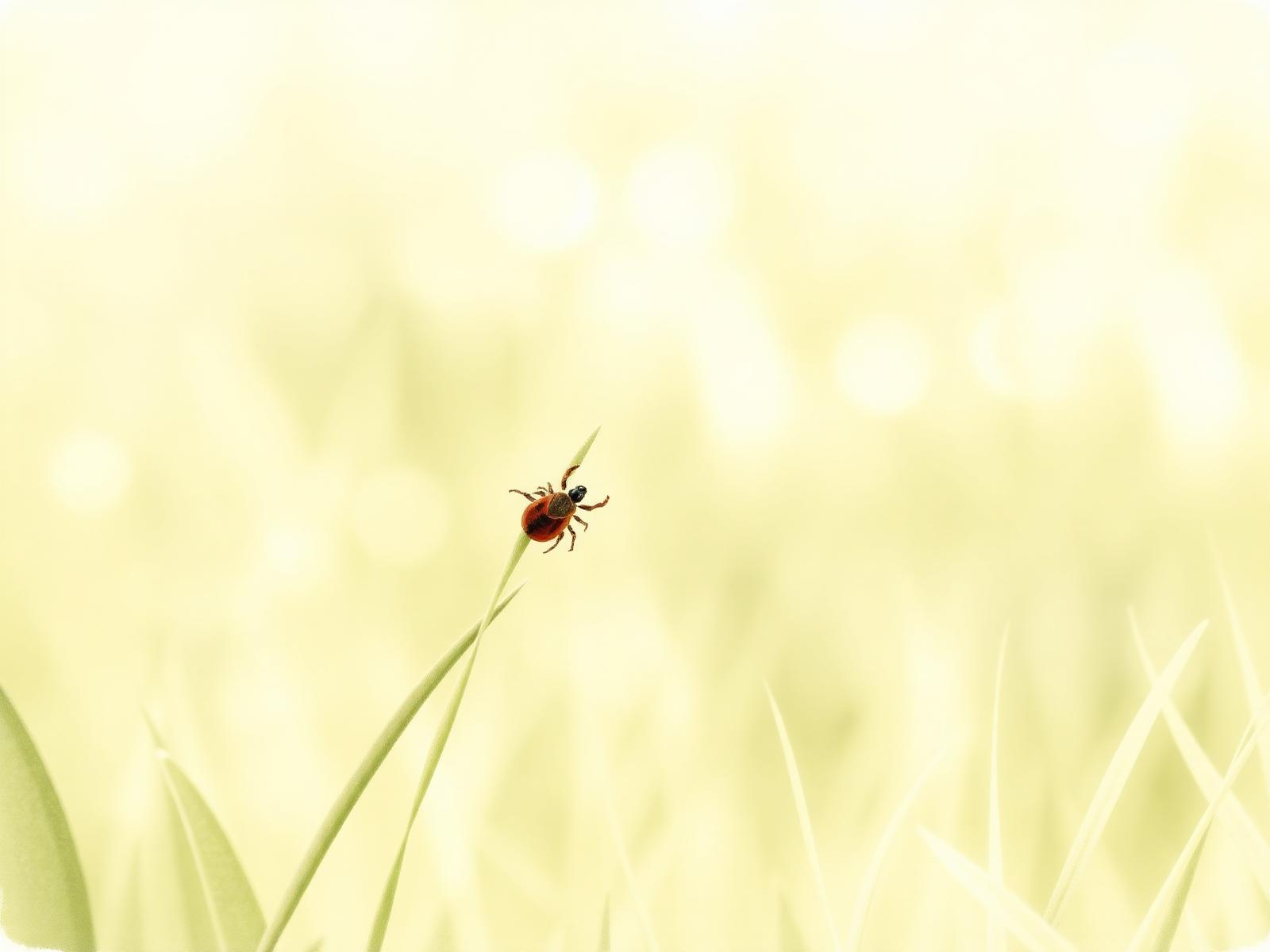
Babesiosis
Babesia spp.
A malaria-like infection causing drenching night sweats, air hunger, deep fatigue and headaches that don't respond to typical Lyme treatment.
Lyme and its coinfections are easy to miss and often mistaken for other conditions. Take our free self-check, built from a clinician's questionnaire, and get a clear picture of your symptom pattern in under 5 minutes.
Your answers are kept private and reviewed by a qualified practitioner.
About the illness
Lyme disease is a bacterial infection caused by Borrelia burgdorferi and related species, most often transmitted through the bite of an infected tick. In the UK, ticks are widespread — not only in forests and moorland, but also in city parks and gardens.
Many people never see the tick or the classic bullseye rash (the rash is not seen in almost half the cases). When the early signs are missed, Lyme can become harder to treat and take much longer to recover from, affecting the joints, nervous system, heart and cognition for months or years.
Be aware, there are many different ways to test for Lyme disease, though many tests have various challenges with regards to sensitivity as well as being indirect tests, which may cause false negatives. Some tests are believed to have almost 50% risk of false negatives.
Rarely just Lyme
The same ticks that carry Borrelia frequently carry other pathogens. Coinfections muddy the picture and explain why symptoms can feel so varied.
Babesia spp.
A malaria-like infection causing drenching night sweats, air hunger, deep fatigue and headaches that don't respond to typical Lyme treatment.
Bartonella spp.
Often presents with stretch-mark-like skin streaks, foot pain on first steps, anxiety, rage and neurological tics — frequently mistaken for psychiatric disorders.
Anaplasma, Ehrlichia
Flu-like illness with high fever, low white-blood-cell counts, severe muscle pain and headaches. Can be acutely dangerous if missed.
Mycoplasma spp.
A stealth infection associated with chronic fatigue, joint pain, autoimmune-style flares and chronic respiratory or sinus symptoms.
Mercury, lead, aluminium, arsenic
Accumulated heavy metals burden the immune system, fuel neurological symptoms and brain fog, and are a common hidden driver behind people who fail to recover from chronic Lyme.
Environmental
Not a tick-borne infection, but mould exposure dramatically worsens Lyme symptoms and is one of the most common reasons people fail to recover.
Common symptoms
Lyme rarely produces a single, neat symptom. It's the combination that tells the story — and that's exactly what our questionnaire helps surface.
Take the free, confidential self-check now. It takes around five minutes and your answers will be reviewed by a practitioner.
Start my LymeCheck